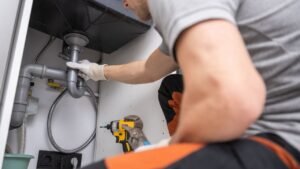
Winter has a way of finding every weak spot in a home’s plumbing system. Cold snaps stress exposed pipes, outdoor connections, and pretty much anything left unprotected. A small drip that seems harmless in October can turn into a much bigger problem once freezing temperatures arrive. A slow drain, too — it’s easy to shrug off, but it’s often worth dealing with before winter.
A little preparation goes a long way. Taking an hour or two now to walk through your home’s plumbing — checking pipes, faucets, toilets, and the water heater — can catch small issues while they’re still cheap and easy to fix. For anything beyond basic maintenance, a trusted Plumber Service Ajax, ON provider is just a phone call away.
Here’s a practical checklist to help you get your plumbing ready for the cold months ahead.
Inspect Your Pipes for Leaks and Damage
Start with the areas of your home that stay coldest — basements, garages, utility rooms, crawl spaces. They tend to run colder than the rest of the house, especially if insulation is thin.
Walk through and look closely at any exposed pipes for:
- Dripping or pooling water
- Corrosion or discoloration on metal fittings
- Small cracks or hairline splits
- Unusual condensation or dampness on the pipe surface
Even a minor leak deserves attention before winter arrives. Once temperatures fall below freezing, water sitting in or around a compromised pipe can freeze, expand, and turn a small problem into a burst pipe fast. Not confident diagnosing it yourself? A professional plumber in Ajax, ON can take a closer look.
For more seasonal home maintenance tips, check out our spring Home Maintenance Checklist for Ajax Homeowners.
Protect Outdoor Faucets and Water Connections
Outdoor plumbing takes the brunt of winter weather, so it’s one of the first areas worth checking as temperatures start to drop.
- Disconnect garden hoses from all outdoor faucets. A hose left attached can trap water in the line, and that trapped water is one of the most common causes of frozen and split outdoor pipes.
- Check outdoor faucets for slow drips, corrosion, or loose connections while you’re out there.
- Inspect any accessible exterior water lines for cracks or wear, especially where they enter the house.
Trapped water expands as it freezes, and that pressure has to go somewhere — usually straight through the pipe or fixture. Looking for faucet repair near me? It’s worth getting a dripping outdoor faucet, or one that won’t shut off properly, checked before the first freeze.
Check Indoor Faucets for Leaks
Don’t Ignore a Dripping Faucet
A dripping faucet is often dismissed as a minor annoyance, but it’s usually a sign the internal seals, washers, or cartridges have worn out. Left alone, that steady drip wastes a surprising amount of water over time. And the same worn components that cause the drip can eventually lead to a bigger leak.
Check Less-Used Faucets
It’s easy to overlook fixtures you don’t use every day. Take a few minutes to run and inspect:
- Basement sinks
- Guest bathroom faucets
- Utility and laundry room taps
These faucets can develop leaks or corrosion that go unnoticed simply because no one’s watching them closely. Found a drip, or a faucet that feels stiff, sticky, or slow to shut off? Scheduling leaky faucet repair in Ajax, ON now means one less thing to worry about once the temperature drops.
Check Your Toilets Before Winter
Toilets are another fixture that can quietly waste water or signal a bigger issue. Check for:
- A toilet that runs constantly or intermittently
- Moisture or water pooling around the base
- Unexplained refilling sounds when the toilet hasn’t been used
- Wear or damage on the supply line connection and tank components
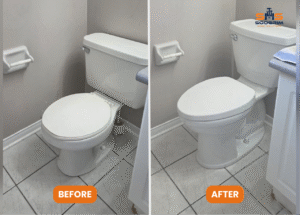
A running toilet usually points to a worn flapper or fill valve — a simple fix on its own. Moisture around the base is a different story, though; it can mean a failing wax ring or a loose connection, and that’s not something to leave until spring. If you notice any of these signs, call in a toilet plumber in Ajax, ON rather than waiting for the issue to get worse.
Inspect Your Water Heater
Your water heater typically has more work to do in winter, since colder incoming water needs more heating for showers, dishes, and laundry. A quick inspection now can help you avoid losing hot water on the coldest day of the year.
Look for:
- Leaks around the tank, valves, or connections
- Rust or corrosion on the tank exterior or fittings
- Unusual noises, such as popping, rumbling, or banging
- Inconsistent hot water or noticeably longer recovery times
Checking it now gives you time to deal with a problem before you’re suddenly left without hot water.
When Should You Consider Water Heater Repair?
Repair is often the right call when you’re dealing with:
- Minor leaks around fittings or valves
- Temperature inconsistencies
- Strange noises without other symptoms
- Occasional gaps in hot water supply
If your unit is relatively new and the issue is isolated, water heater repair near me is usually the faster, cheaper option.
When Might Water Heater Replacement Make More Sense?
Replacement becomes the more practical choice when:
- The unit is older and nearing the end of its expected lifespan
- You’ve needed repairs more than once in the past year or two
- There’s significant leaking from the tank itself, not just a fitting
- Performance has been steadily declining
- The cost of another repair starts approaching the cost of a new unit
If you’re facing any of these signs, it’s a good idea to get a professional opinion on water heater replacement in Ajax, ON before the cold weather puts extra strain on an aging system.
Check Your Main Water Shut-Off Valve
This is an easy step to overlook, but it can make a big difference during a plumbing emergency. Every homeowner should know exactly where their main water shut-off valve is — and confirm it actually works.
- Locate the valve, typically found near where the main line enters your home.
- Test that it turns smoothly, without excessive force.
- Make sure everyone in the household knows where it is.
If a pipe bursts or a major leak develops, being able to shut off the water quickly can mean the difference between a minor cleanup and serious water damage. Valve feels stuck, seized, or hard to turn? Don’t force it — a professional can service or replace it before it becomes a problem you’re relying on mid-emergency.
Protect Pipes in Cold or Unheated Areas
Pipes located in unheated or poorly insulated parts of your home are the most likely to freeze. Take stock of vulnerable pipes in:
- Basements
- Garages
- Crawl spaces
- Exterior walls
- Unheated utility areas
For these areas, basic pipe insulation — foam sleeves or wrap — is a cheap way to add a layer of protection against freezing temperatures. It also helps to keep these spaces reasonably heated during the coldest stretches of winter, and to check for drafts near windows, vents, or gaps where cold air reaches the pipes directly.
Look for Early Warning Signs Before Winter
Use this quick list to spot small issues before they become urgent ones:
- Dripping faucets
- Slow drains
- Low or changing water pressure
- Running toilets
- Damp spots around pipes
- Rust or corrosion on fittings
- Strange water heater noises
- Inconsistent hot water
- Damaged or leaking outdoor faucets
It’s much easier to deal with these problems now than during the first cold snap.
What to Do If You Have a Plumbing Emergency During Winter
Even with the best preparation, emergencies can still happen. Common winter plumbing emergencies include:
- A burst or frozen pipe
- A major water leak
- A significant water heater leak
- An overflowing toilet
- A sudden, unexplained loss of water
What to Do First
If you’re facing any of the above, take these steps right away:
- Shut off the water at the source if it’s safe to do so.
- Turn off the affected fixture or appliance.
- Move furniture, boxes, or belongings away from the affected area to limit damage.
- Contact a qualified plumber as soon as possible.
Acting quickly can help limit water damage and stop the problem from getting worse. Burst pipe, major leak, sudden loss of water? Don’t hesitate to search for an emergency plumber near me — winter plumbing emergencies rarely wait for business hours.
When Should You Call a Professional Plumber?
While some of this checklist can be handled on your own, certain issues call for professional expertise, including:
- Persistent or recurring leaks
- Frozen or burst pipes
- Major water leaks anywhere in the home
- Water heater problems, whether repair or replacement
- Low or noticeably changing water pressure
- Plumbing issues that keep coming back
- Any repair involving components you’re not comfortable handling yourself
If you’re seeing any of these signs, reaching out to a dependable plumber in Ajax, ON before winter sets in can save you a bigger repair down the road.
Final Winter Plumbing Checklist for Ajax Homeowners
Save this quick checklist to work through before the cold arrives:
- Inspect exposed pipes for leaks or damage
- Disconnect outdoor hoses
- Check outdoor faucets and connections
- Inspect indoor faucets, including less-used ones
- Check toilets for running water or leaks at the base
- Inspect the water heater for leaks, rust, or noise
- Locate and test the main water shut-off valve
- Protect vulnerable pipes in cold or unheated areas
- Address any existing leaks before temperatures drop
- Keep emergency plumbing contact information on hand
Frequently Asked Questions
How do I prepare my plumbing for winter in Ajax?
Start by inspecting exposed pipes, disconnecting outdoor hoses, checking faucets and toilets for leaks, and testing your main water shut-off valve. Insulating pipes in unheated areas like basements and garages helps too, cutting down the risk of freezing.
How do I prevent outdoor faucets from freezing?
Disconnect and drain garden hoses as soon as freezing temperatures are in the forecast, and check that outdoor faucets shut off completely. Trapped water is a common cause of frozen or split outdoor faucets — dry, secure connections are your best defense.
What should I do if a pipe freezes?
Shut off the main water valve if you can do so safely, and skip the open flame if you’re tempted to thaw the pipe yourself. If you see bulging, cracking, or a total loss of water flow, call a professional plumber right away instead of waiting to see if it resolves on its own.
How do I know if my water heater needs repair or replacement?
Minor leaks, temperature inconsistencies, or occasional noises may just need a repair. An older unit, frequent repairs, significant tank leakage, or steadily declining performance is a different signal — replacement is often the more cost-effective choice long term.
How can I tell if I have a hidden plumbing leak?
Watch for unexplained increases in your water bill, damp spots on walls or ceilings, a musty smell in certain areas, or the sound of running water when nothing is in use. These are all signs worth having a plumber investigate.
When should I call a plumber before winter?
A persistent leak, a toilet that won’t stop running, a water heater showing signs of wear, a shut-off valve that won’t turn — any of these is reason enough to call a plumber early instead of waiting for the problem to grow.
Final Thoughts: Prepare Your Plumbing Before the Cold Arrives
Getting your plumbing ready for winter doesn’t have to be complicated. Most of the work comes down to spotting small problems early — a dripping faucet, a running toilet, a pipe that feels a little too cold to the touch — and dealing with them before the freezing weather puts extra strain on your home’s systems.
A minor leak or a faucet that’s slow to shut off might not seem urgent in the fall. But it can turn into a much bigger, more expensive problem once temperatures drop. If anything on this checklist raises a flag, it’s worth having it looked at now, while there’s still time to fix it on your own schedule.
If you’re an Ajax homeowner looking for reliable help getting your plumbing winter-ready, the team at Soogrim Home Solutions is here to help. Give us a call at +1 (416) 668-7298 or visit www.soogrimhomesolutions.ca to schedule an inspection or repair.