A gas furnace in an Ontario home usually lasts 15 to 20 years. That is the range Hydro One gives, and a furnace that gets a check-up every year can run past it. So how long does a furnace last in your house? It comes down to how well it was installed, how often it has been serviced, and how hard our winters have made it work.
Below we cover what affects furnace lifespan, how to find out how old your furnace is, the warning signs that it is near the end, the 50% rule for deciding between repair and replacement, what a new furnace costs, and the simple habits that add years to the one you have.
The quick version:
- Typical furnace lifespan in Ontario: 15 to 20 years for a gas furnace.
- Start planning for a new one once it passes 15 years and needs regular repairs.
- If a repair costs 50% or more of the price of a new furnace, replacing usually makes more sense.
- Typical furnace replacement cost Ontario homeowners can expect: about $2,500 to $5,500 or more, according to Hydro One.
- A check-up every fall is the best way to reach the long end of that range.
How Long Does a Furnace Last? The Short Answer
Most natural gas furnaces we see in Ajax, Pickering and Whitby homes last somewhere between 15 and 20 years. A few give out sooner. Some keep running well past 20, but by then they burn more gas than a new model, parts get harder to find and breakdowns tend to come in the middle of a cold snap.
Think of furnace lifespan in three stages:
| Furnace age | What it usually means |
|---|---|
| Under 10 years | Repair almost every problem. It should have plenty of life left. |
| 10 to 15 years | Repair most problems, but start keeping track of costs and how often it needs help. |
| 15 years and up | Plan for replacement. Repair small things, but think twice before paying for a big part. |
Age on its own does not mean you need a new furnace. A 17-year-old unit that starts every time, heats evenly and has been serviced every fall can keep going. What matters is age combined with the signs further down.
How Ontario Winters Affect Furnace Lifespan
A furnace in Ajax or Oshawa does a lot of work. It runs on and off from about October to April, and on the coldest nights it may barely shut off at all. Those hours are what wear out motors, igniters and the heat exchanger, so a furnace here racks up more wear each year than one in a milder place.
That is why the answer to how long does a furnace last depends so much on care. Two homes on the same street can get very different results. The furnace that is serviced every fall can reach 20 years, while the one next door that never sees a technician can start failing years earlier.
Furnace Lifespan by Type
Not every furnace ages the same way. Here is what we see with the main types in Durham Region homes:
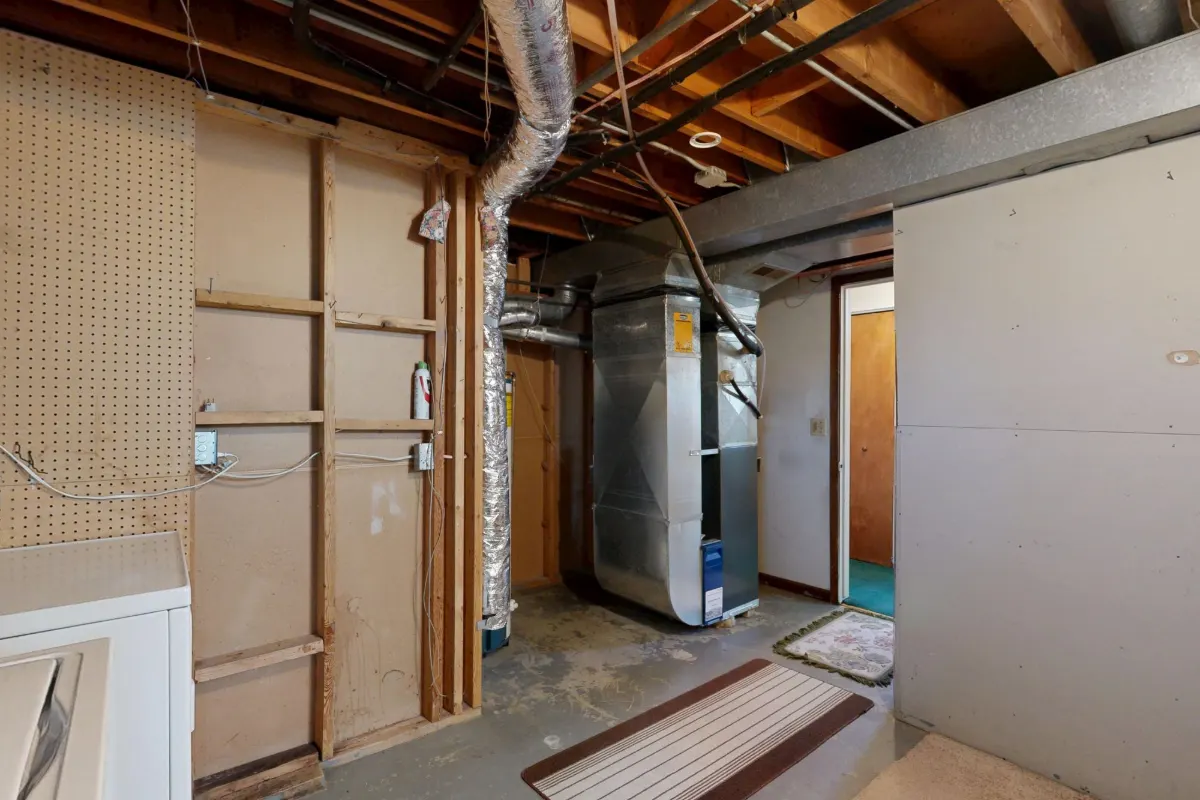
- Mid-efficiency gas furnaces. These older models are around 80% efficient and vent through a metal chimney liner. Many still running in the area were put in during the 1990s and early 2000s, which puts them well past the usual furnace lifespan.
- High-efficiency gas furnaces. Almost every new gas furnace made for Canadian homes since 2019 is a high-efficiency model that vents through two plastic pipes. They have a few extra parts, like a second heat exchanger and a condensate drain, that need to stay clean.
- Electric furnaces. With no burners or venting, there are fewer parts to wear out, so they often have a longer furnace lifespan than gas models. They do cost more to run in most Ontario homes.
- Oil furnaces. These are less common now and mostly found in older homes and rural properties. They need regular cleaning to keep running well.
So how long does a furnace last if yours is a high-efficiency model? About the same 15 to 20 years, as long as the condensate drain, the vent pipes and the filter are kept clear. Many of the early failures we see on these units start with a blocked drain or a vent pipe that froze over.
Heat pumps are a different system, but more homes now run one alongside a furnace. When a heat pump handles the milder days, the furnace runs fewer hours each winter, which takes some of the strain off it.
How to Find Out How Old Your Furnace Is
You cannot answer “how long does a furnace last?” for your own home without knowing its age. If you bought the house with the furnace already in it, you may not know it. There are a few quick ways to check:
- The rating plate. Take off the front panel (turn the power switch off first) and look for a metal or paper label inside the door. Many list the manufacture date.
- The serial number. On most brands, the first few digits of the serial number include the year, and sometimes the week, it was made. The manufacturer’s website or support line can decode it for you.
- Old paperwork. Your home inspection report, the original installation invoice or a service sticker on the side of the unit often has a date.
- Ask the technician. At your next service visit, ask them to note the age on the invoice so you have it for later.
Write the year somewhere you will find it, like on the inside of the furnace room door. It makes every future decision easier.
What Shortens a Furnace’s Life
Two furnaces of the same model can last very different amounts of time. These are the usual things that cut furnace lifespan short:
- No yearly maintenance. Dirt on the burners, a weak flame sensor or a worn blower bearing gets found and fixed at a check-up. Without one, small problems turn into big ones.
- Dirty filters. A clogged filter chokes the airflow, so the furnace runs hotter and longer than it should. Over years, that heat is hard on the heat exchanger and blower motor.
- The wrong size. A furnace that is too big for the house heats it quickly, shuts off, then starts again a few minutes later. All that stopping and starting wears parts out faster.
- Poor installation. Undersized ductwork, a badly pitched vent pipe or no proper drain on a high-efficiency unit can cause problems for the life of the furnace.
- A damp basement. Moisture rusts the cabinet, the burners and the controls from the outside in.
7 Warning Signs Your Furnace Is Near the End
If you are asking how long does a furnace last because yours is acting up, these are the signs worth paying attention to. One on its own is often a simple repair. Three or four together usually mean the furnace is wearing out.
1. It is more than 15 years old
Hydro One flags furnaces over 15 years old that need regular repairs as candidates for replacement. If yours is in that range, every other sign on this list carries more weight.
2. Repairs keep coming back
One service call in five years is normal. A call every winter, or two in one season, means more parts are reaching the end of their life at the same time.
3. Your gas bills keep climbing
If your bills go up year after year while your usage and the weather stay about the same, the furnace is likely losing efficiency. Compare the same month across a few years on your Enbridge bill to see the trend.
4. Some rooms are always cold
Hot and cold spots can come from ductwork or blocked vents, but an ageing blower or a furnace that can no longer keep up is a common cause too.
5. New noises
Banging when the burners light, rattling, squealing or a loud hum are all worth a look. Some are a loose panel or a belt. Others are a motor on its way out.
6. A yellow flame instead of a blue one
On a gas furnace you can usually see the burner flame through a small window. It should be mostly blue. A lazy yellow or orange flame, soot around the burners or a sharp smell can point to a combustion problem. Do not ignore this one. Book a check right away.
7. Dry, dusty air
More dust than usual, dry skin and static shocks all winter can mean the furnace and its filter are not moving and cleaning the air the way they should.
Repair or Replace? Use the 50% Rule
Knowing when to replace furnace equipment, and when a repair is the smarter spend, is where most homeowners get stuck. Hydro One suggests a simple test. If a repair costs less than half the price of a new high-efficiency furnace, repairing usually makes sense. If the repair costs 50% or more of a new unit, replacement is the better use of your money.
Age changes the math, though. The closer a furnace gets to the end of the usual furnace lifespan, the less sense a big repair makes. Spending a few hundred dollars on a 7-year-old furnace that rarely needs work is an easy yes. Spending the same amount on an 18-year-old furnace that needed two other repairs last winter is money you may never get back.
A good rule of thumb that we use when we look at a furnace with a homeowner:
- Under 10 years old: repair. If the heat exchanger is cracked, check the warranty first, since many manufacturers cover heat exchangers for much longer than other parts.
- 10 to 15 years old: repair if the cost is well under half of a new unit and it has been reliable.
- Over 15 years old with a big repair: get a replacement price before you decide.
Not sure what is wrong in the first place? Our guide to why a furnace blows cold air walks through the most common causes, and some of them are a five-minute fix.
What a New Furnace Costs in Ontario
Hydro One puts the typical furnace replacement cost Ontario homeowners pay at roughly $2,500 to $5,500 or more. Where your job lands in that range depends on a few things:
- The size of the house and how much heat it loses.
- The furnace itself, including features like a variable-speed blower or a two-stage burner.
- Venting changes, especially when an old chimney-vented furnace is replaced with one that vents through plastic pipes.
- Any ductwork, gas line or electrical updates the installation needs.
- Removing and disposing of the old unit.
Ask for a written quote that lists the furnace model, the warranty and exactly what is included, so you can compare prices fairly.
The good news is that a new furnace burns a lot less gas than an old one. Under Canada’s energy efficiency rules, gas furnaces manufactured since July 3, 2019 must have an efficiency rating (AFUE) of at least 95% for most homes. Many furnaces installed in the 1990s and early 2000s are mid-efficiency models closer to 80%. That difference shows up on every gas bill, and a new unit starts the furnace lifespan clock again with another 15 to 20 years ahead of it.
When it is time to replace, it is also worth asking whether a heat pump makes sense for your home. A heat pump can heat and cool, and many Ontario homes now pair one with a gas furnace for the coldest days. If you add one, a rebate may lower the total. Programs change often, so check our guide to HVAC rebates in Ontario before you sign anything.
Planning a Replacement Before It Fails
The worst time to buy a furnace is at 2 a.m. in January with no heat and a cold house. Once you have an answer to “how long does a furnace last?” for your own home, the smart move is to plan ahead if yours is already near the end of its furnace lifespan, somewhere in the 15 to 20 year range.
- Get a price while the old one still works. You have time to compare quotes and options instead of taking the first install date anyone can offer.
- Ask how the new furnace was sized. In Canada, heating systems should be sized from a heat loss calculation (CSA F280 is the standard), not by copying the old furnace. Homes that got new windows or more insulation over the years often need a smaller unit now.
- Pick your timing. Spring and early fall are quieter for installers, so it is easier to book a day that suits you.
- Check rebates and financing first. Programs change, and some need approval before the work is done.
- Look at the air conditioner too. If it is the same age as the furnace, replacing both together can save a second visit later.
- Make sure gas work is done by the right people. In Ontario, installing or replacing a gas furnace has to be done by a contractor registered with the TSSA, using certified gas technicians.
How to Make Your Furnace Last Longer
Ask a technician “how long does a furnace last?” and most will tell you the same thing: the ones that get looked after every year are the ones that make it to 20. You cannot stop a furnace from ageing, but these habits cost little and help it reach the long end of the usual furnace lifespan:
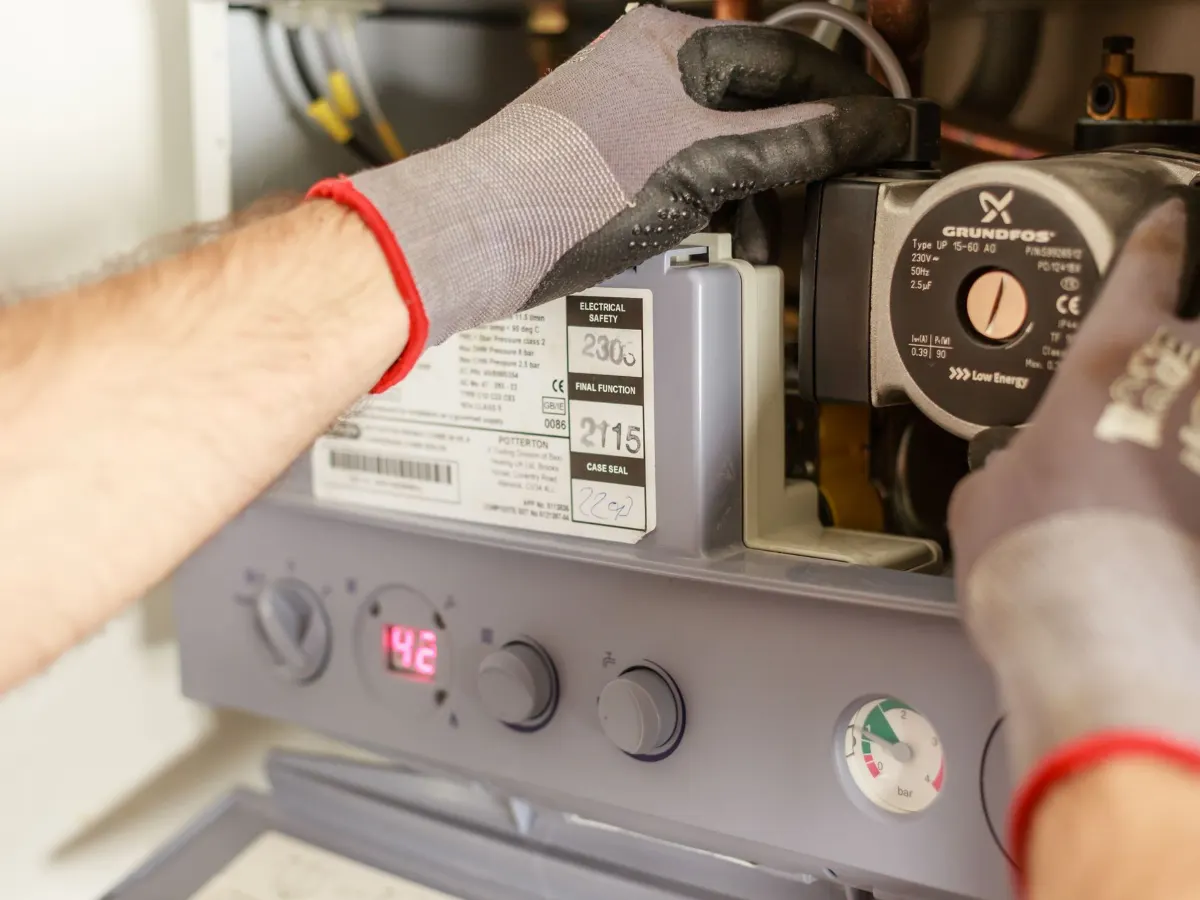
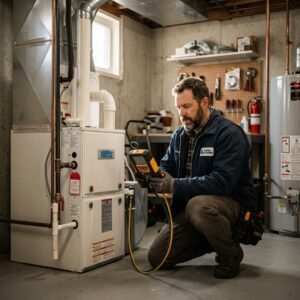
- Book a yearly check-up. Natural Resources Canada recommends a professional check-up every year, with the heating system done in the fall before the cold arrives.
- Check the filter regularly. If you are not sure when to replace furnace filters, follow your owner’s manual. In a busy house with pets, that can mean every month or two through the winter.
- Keep vents and returns open. Do not close off rooms or cover vents with furniture. The furnace is sized to move air through the whole house.
- Clear the outside vent pipes. High-efficiency furnaces vent through two plastic pipes on an outside wall. After a snowstorm, make sure they are not buried or blocked with ice.
- Give it space. Keep boxes, paint cans and laundry at least a metre away from the furnace so it can breathe and so a technician can reach it.
- Set the thermostat and leave it. Steady settings are easier on the furnace than big swings every few hours.
- Look and listen once a month. A new noise, a yellow flame or water around the base is easier and cheaper to fix when you catch it early.
If you are working through the rest of the house before winter, our winter home maintenance checklist covers the other jobs worth doing at the same time.
Is an Old Furnace Dangerous?
An old furnace is not dangerous just because it has reached the end of the usual furnace lifespan. The risk comes from a cracked heat exchanger or a venting problem, which can let carbon monoxide into the house. You cannot see or smell carbon monoxide, which is why alarms matter so much.
Under the Ontario Fire Code, any home with a fuel-burning appliance, a fireplace or an attached garage needs carbon monoxide alarms next to every sleeping area, and since January 1, 2026 on every storey of the home as well. Test them once a month. If an alarm goes off, get everyone outside first and call 911 from there.
Common Questions About Furnace Lifespan
How long does a furnace last in Ontario?
Most gas furnaces last 15 to 20 years. Yearly servicing, clean filters and the right size for the house help it reach the long end of that range.
How long does a furnace last with yearly maintenance?
Maintenance does not change how the furnace was built, but it is the main reason some reach 20 years or more. Skipping it is one of the most common reasons we see furnace lifespan cut short.
Can a furnace last 30 years?
It happens, but it is well past the normal furnace lifespan and usually not worth chasing. By that age a furnace burns far more gas than a new one, and replacement parts can be hard to find when it breaks down.
How often should a furnace be serviced?
Once a year, ideally in the fall before heating season. Check the filter regularly in between, as often as your owner’s manual recommends.
How do I know when to replace furnace filters?
Follow your owner’s manual and check the filter once a month during heating season. If you hold it up to the light and cannot see through it, change it. Homes with pets, allergies or a renovation on the go may need a new one more often.
Do high-efficiency models have a shorter furnace lifespan?
Not when they are looked after. They have a few more parts to keep clear, like the condensate drain and the plastic vent pipes, but a well-maintained high-efficiency furnace lasts about as long as an older mid-efficiency one.
Is it worth repairing a 15-year-old furnace?
For a small repair, often yes. For a big one, compare it to the price of a new furnace. If the repair is 50% or more of that price, replacement usually makes more sense.
What is the typical furnace replacement cost Ontario homeowners should budget for?
Hydro One puts it at roughly $2,500 to $5,500 or more. The size of the house, the furnace you choose and any venting or ductwork changes decide where your job lands.
How long does it take to replace a furnace?
A simple swap of one gas furnace for another is usually done in a day. Jobs that need new venting, ductwork changes or a different fuel type can take longer.
Should I replace my furnace and air conditioner together?
If both are old, it is often worth it. They share the same blower and ductwork, so matching them can improve comfort and efficiency. If your AC is fairly new, there is no need to replace it with the furnace.
Want a Second Opinion on an Old Furnace?
If you are still wondering how long does a furnace last in your home, or yours is showing a few of the warning signs above, have it looked at before the coldest part of the winter. We will tell you plainly whether a repair makes sense or whether it is time to plan for a new one, and we give you the price before any work starts. If a job involves gas lines or gas connections, we make sure it is handled by a properly licensed gas technician.
Our HVAC repair service covers furnaces, heat pumps, air conditioners and water heaters in Ajax, Pickering, Whitby, Oshawa and Scarborough. Call (437) 476-0410. We are open 24/7 for no-heat calls.